

There is a gap in African marketing that most people do not talk about openly. Brands across the continent are being built on borrowed frameworks, imported playbooks, and strategies designed for markets that look nothing like ours. The numbers tell the story plainly. Research from Afritail shows that the average brand positioning recall rate for Nigeria's top ten brands is as low as 54%, with the banking sector, one of Nigeria's leading advertising spenders, recording the lowest positioning recall rate at just 20%. That is not a creative problem. It is a strategic one.
The consumer behaviour data makes it worse. Afritail data shows that across Africa, 78% of consumers report stronger allegiance to individual salespeople than to the brand itself, compared to 72% loyalty to brands. Absolute brand loyalty is fading, with 66% of consumers willing to switch for a better offer. When a brand does not stand for something clear and specific, consumers attach to people instead. That is a structural risk no business can afford to ignore.
The consequences compound quickly. Lagos Business School's Brand Loyalty Survey 2025, reported by Brand Communicator, found that five in ten Nigerian consumers switched brands in 2025, and projections suggest that figure will rise to eight in ten by 2026. When consumers cannot tell the difference between brands, they switch on price. Brands without a clear strategic foundation are the most exposed when that happens.
International organisations trying to enter African markets face a different version of the same problem. They arrive with assumptions about how African consumers think and behave. According to research cited by AMENA Africa, approximately 70% of international market entry attempts fail to meet their projected return on investment within three years, with inadequate consumer research, underestimated competitive pressure, and unrealistic financial projections cited as the primary causes. Failed international expansions cost companies an average of $60 million in direct losses, before accounting for opportunity costs or lasting reputational damage in the abandoned market.
The discovery complexity alone is enough to trip up most foreign brands. Marketing Analytics Africa found that brand discovery across African markets in 2026 is overwhelmingly social, mobile, and community-influenced and varies enough between markets that a single approach will consistently miss the mark. TikTok grew 56.9% in Nigeria in 2025, making it a priority platform for Nigerian Gen Z, while Facebook remains dominant among older Ghanaians and Egyptians, and South Africa's dual online/offline consumer journey requires a different budget allocation from Kenya's mobile-first, community-driven model.
Shoprite is the clearest case study. One of Africa's most recognised retail names, the chain spent nearly two decades and hundreds of millions of rand building what it called a pan-African retail empire. At its height, it operated across 15 African countries and ran 25 stores in Nigeria alone. By 2025, according to WhirlSpot Media, it had quietly exited Nigeria, Kenya, Uganda, Ghana, Malawi, the DRC, and Madagascar. The verdict was consistent across every market it left: success in Africa is not about scaling fast with imported playbooks. It is about embedding yourself in local culture.
A conviction, not just a business
The conviction behind Aim One Company is straightforward: African brands deserve world-class strategy, and world-class strategy can be built right here on the continent. Not imported. Not approximated. Built here, by people who understand these markets at the level that only comes from being inside them.
This conviction shaped the agency's dual-engine model from the start. One engine serves Nigerian and African brands that want to compete seriously in their markets. The other guides international organisations seeking to establish a credible, commercially viable presence in Africa. Both run on the same foundation: rigorous strategic thinking, honest counsel, and execution that reflects the standard our clients deserve.
Over seven years, that model has been tested across financial services, retail, FMCG, faith-based organisations, and brands operating at the intersection of Nigerian and global markets. The work has been demanding, the standards have been high, and the results have been real.
The work as proof
Brand strategy and creative communications sit at the core of what Aim One Company delivers. Not campaigns as a starting point, but thinking. The kind of thinking that asks hard questions about who a brand is, what it stands for, how it is perceived, and what it would take to move the market in its favour. That thinking drives everything else: the creative direction, the communications architecture, the channel strategy, and the execution that brings it all to life.
The scale of the opportunity makes this work urgent. PwC's Africa Entertainment and Media Outlook found that Nigeria's entertainment and media sector grew at 11.2% in 2024, the fastest in the region, and Nigeria is expected to reach 84% digital ad spend by 2029, surpassing global benchmarks. The brands that will win in this environment are those with a clear strategic foundation built on how African consumers actually discover, evaluate, and choose. That is what Aim One Company builds.
On the market entry side, Aim One Company works with international organisations to close the gap between what they assume about African markets and what is actually true. That means market research, consumer insight, regulatory navigation, brand positioning for local relevance, and communications planning that respects the nuance of the markets being entered. It is detailed, considered work, and most agencies either cannot do it or do not do it well.
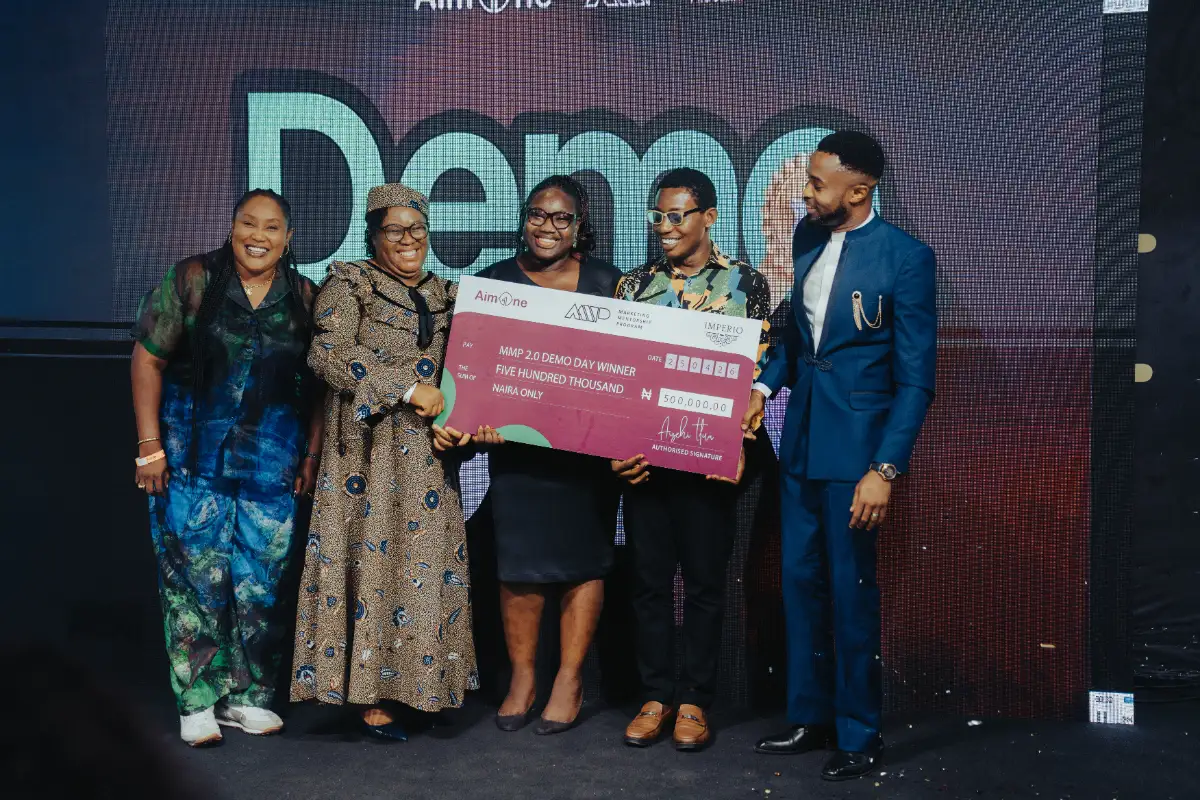
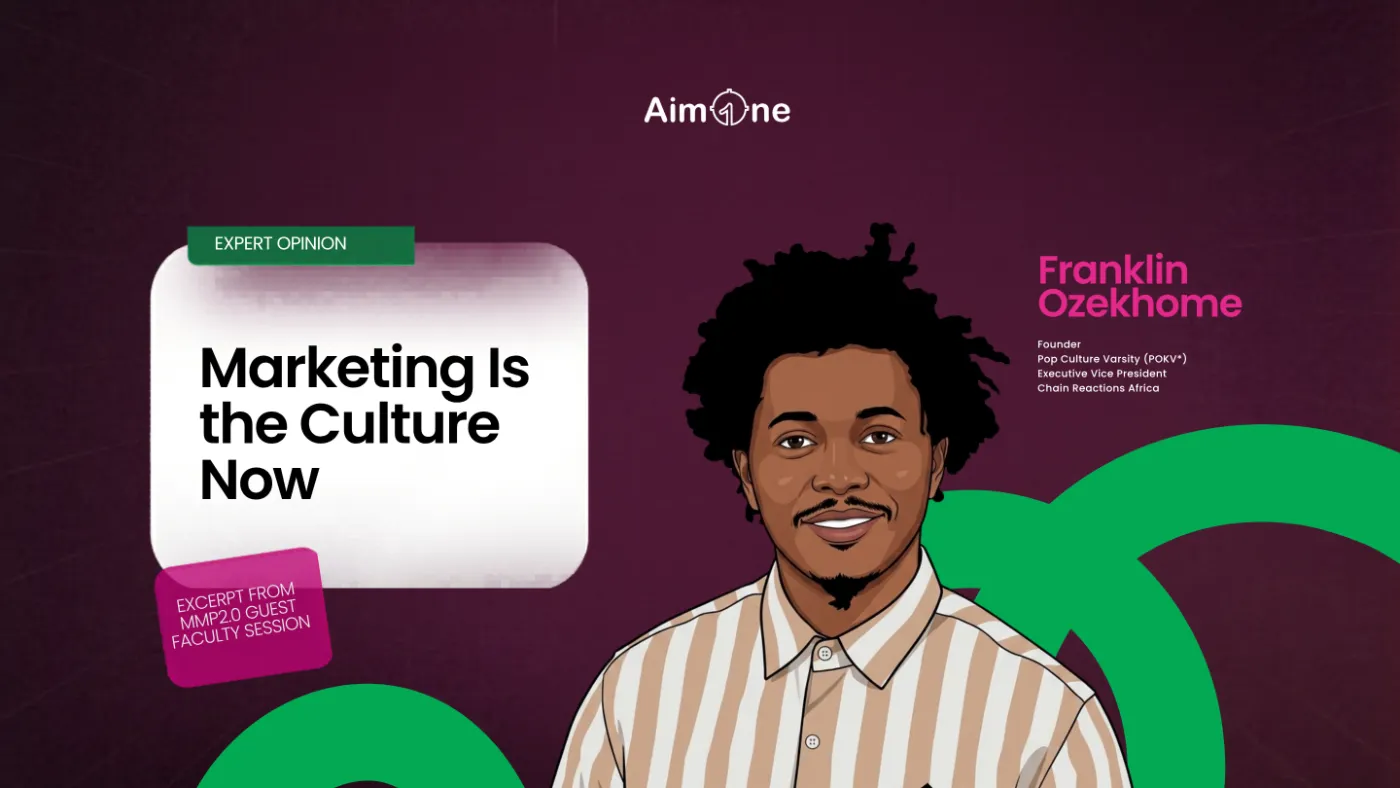
Beyond client work, Aim One Company runs the Marketing Mentorship Program, MMP, a structured pan-African accelerator for marketing professionals. MMP is an extension of the same conviction that built the agency. Africa's commercial future depends on having marketing leaders genuinely equipped to drive growth. MMP is building that pipeline.
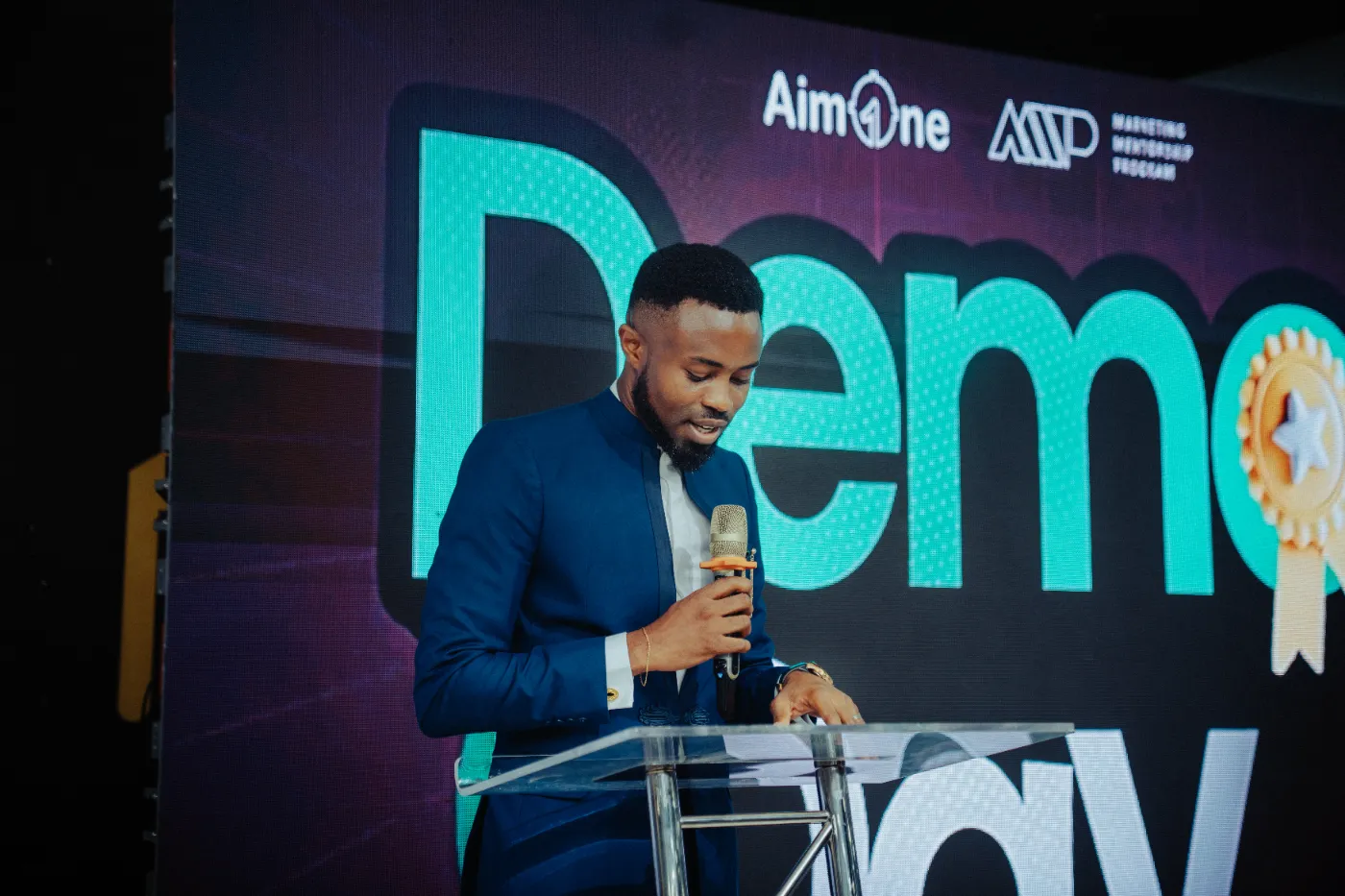
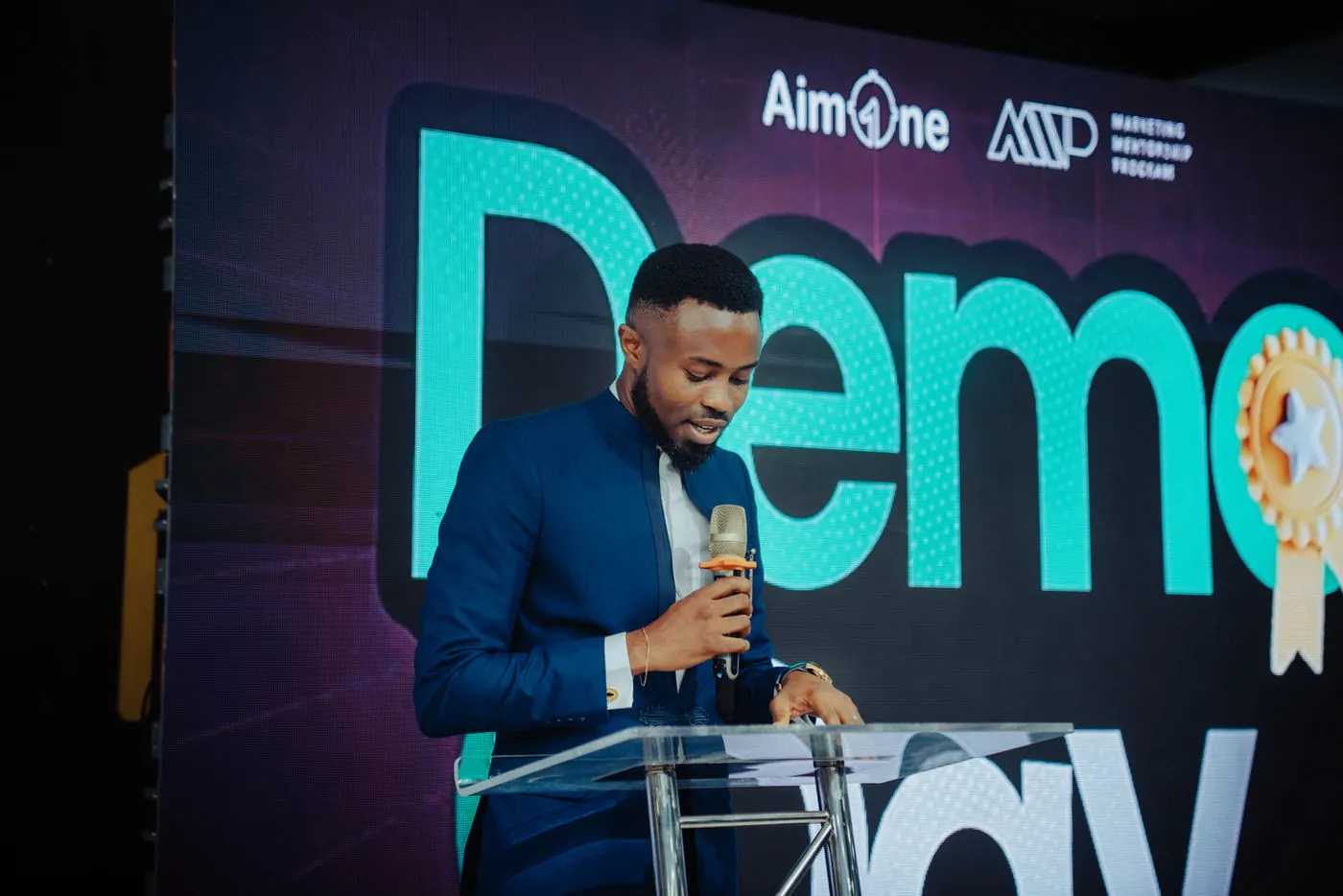
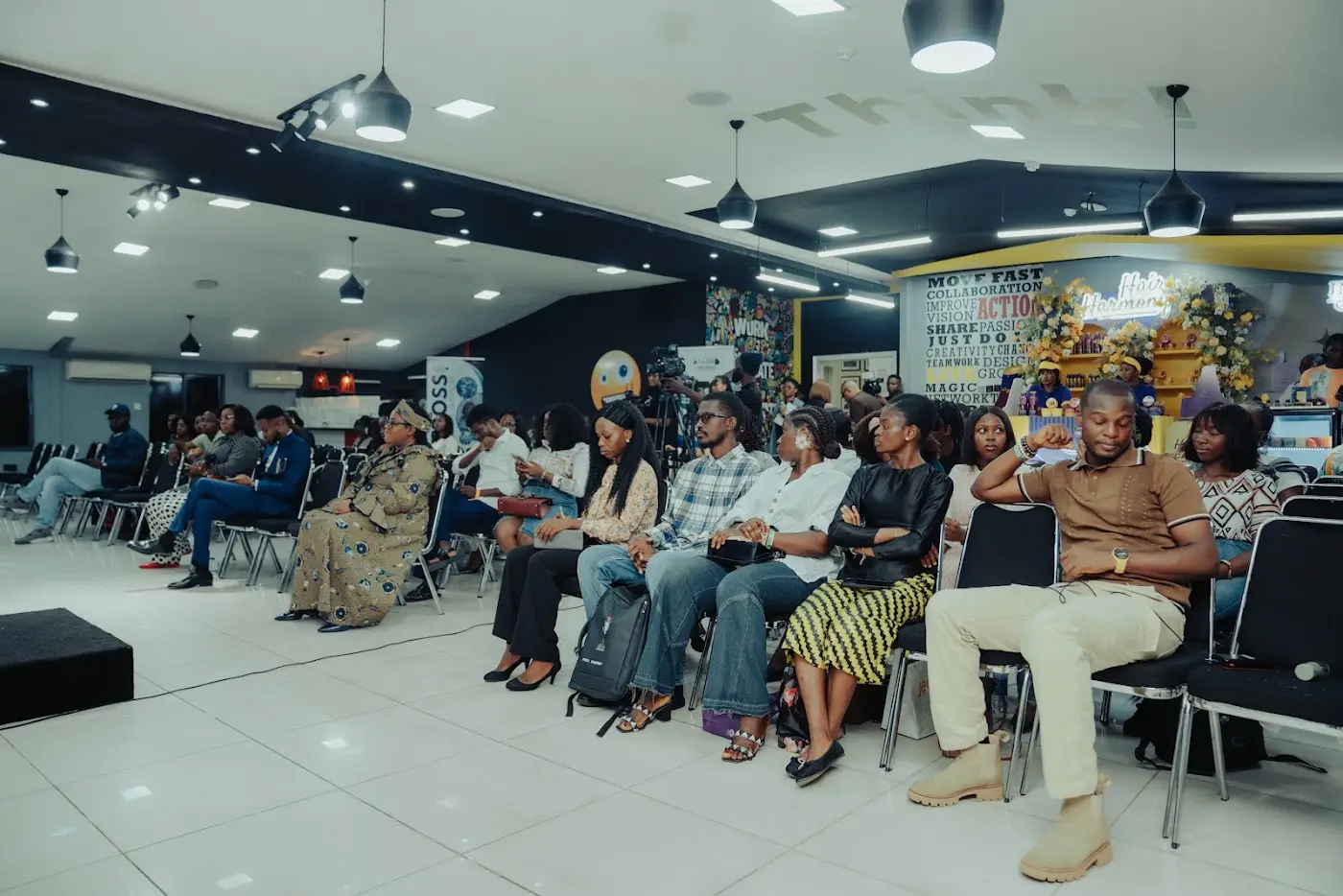
MMP 2.0, the program's most recent cohort, graduated thirty professionals from eight countries spanning West, East, and Central Africa and the United Kingdom. The Demo Day, held in Lagos in April 2026, drew the attendance of the Special Senior Adviser to the Lagos State Governor, a signal that the conversation around marketing talent is beginning to reach the corridors of governance. The program attracted over 300 expressions of interest from across the continent before selecting its final cohort of thirty.
Recognition that confirms the direction
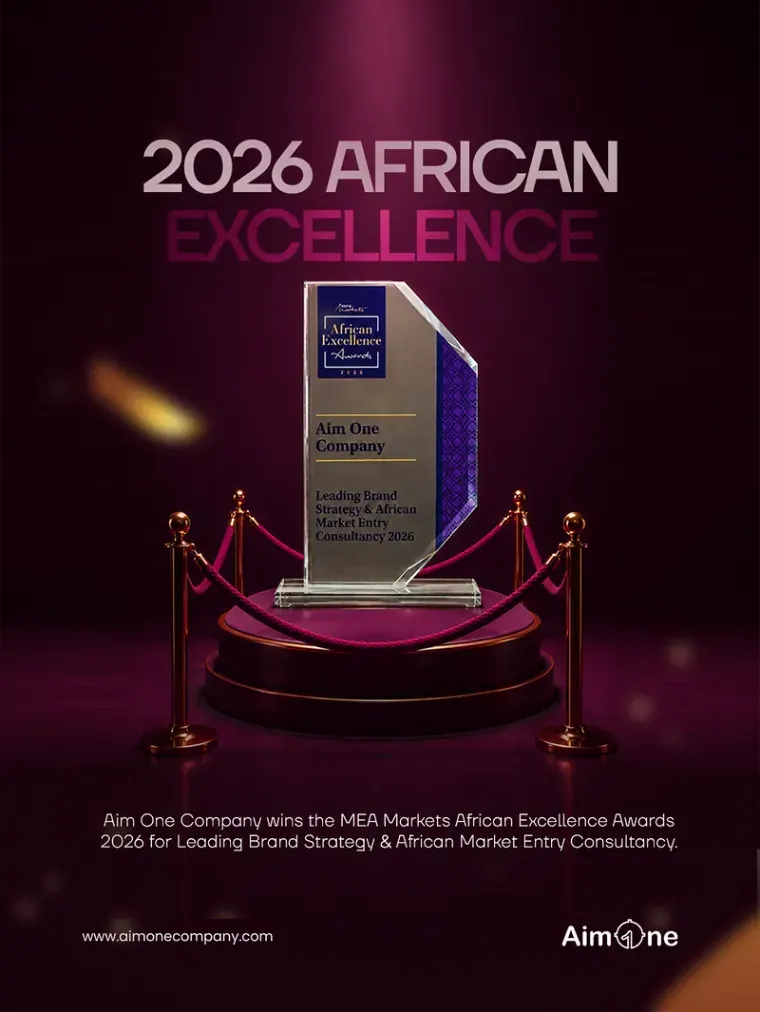
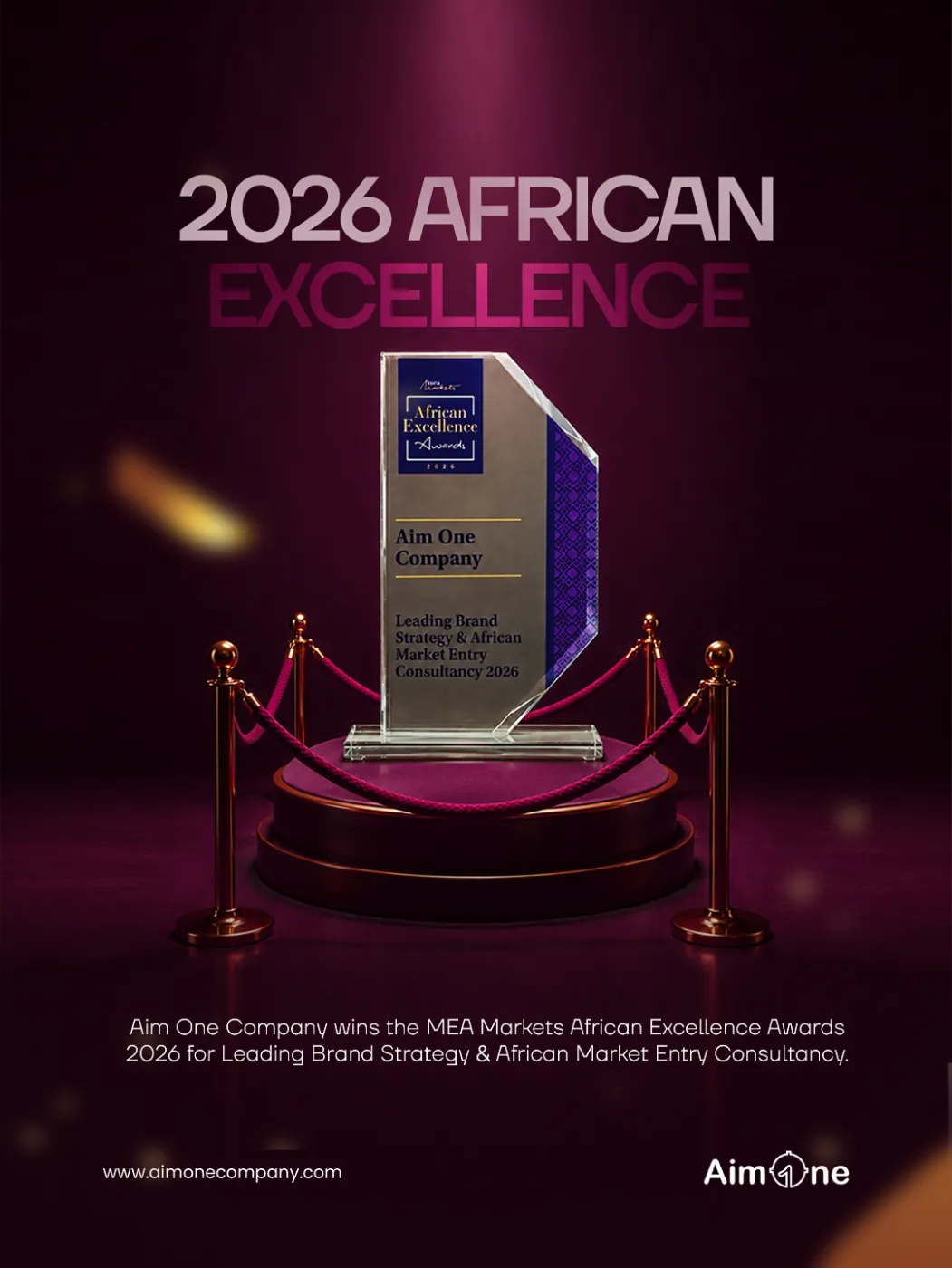
In 2026, MEA Markets named Aim One Company the Leading Brand Strategy & African Market Entry Consultancy at the African Excellence Awards. Now in its ninth year, the program recognizes organizations across Africa driving real progress in their industries. It is the agency's first international award.
Aim One Company was not built to win awards. It was built to solve a real problem. Recognition of this kind, from an international platform, for the specific work of brand strategy and African market entry, confirms that what we are doing is being seen beyond our immediate community. It raises the standard we now have to maintain.
This win belongs to every client who has trusted us with their brand and every mentee who has walked through MMP and chosen to grow with intention.
The problem we set out to solve has not gone away. The work continues.
We play to win.
If you are a Nigerian brand ready to compete at a higher level or an international organisation looking to enter Africa with clarity and confidence, we would like to speak with you.